What Is Mulberry Silk? A Complete Guide for Wholesale and Retailer Buyers
Introduction
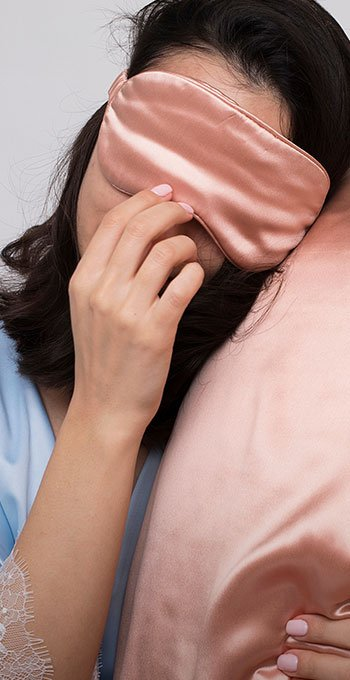
Mulberry silk is widely recognized as the highest-quality silk available on the global market. From luxury bedding and sleep accessories to premium garments and hair accessories, it is the foundation material behind many successful silk brands.
For wholesale buyers, private-label brands, importers, and retailers, understanding what mulberry silk truly is—and how to source it reliably—is essential for product positioning, cost control, and long-term brand growth.
This guide explains what mulberry silk is, how it is graded, why it outperforms other silks, and how B2B buyers can source it efficiently—with practical insights from the perspective of a professional silk fabric and finished-product manufacturer.
Table of Contents
1. What Is Mulberry Silk?
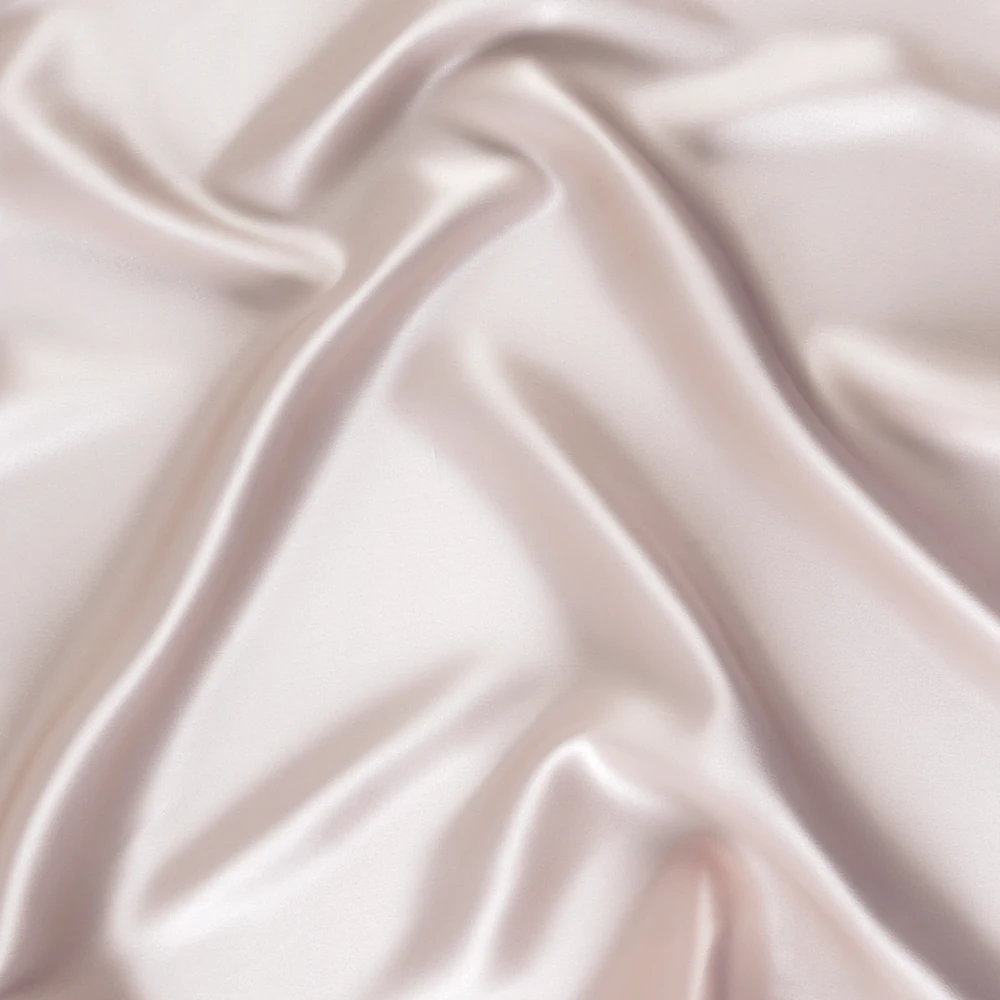
Mulberry silk is a natural protein fiber produced by silkworms (Bombyx mori) that are fed exclusively on mulberry leaves.
This controlled diet results in silk fibers that are:
Exceptionally long and continuous
Smooth and uniform in diameter
Strong yet lightweight
Naturally lustrous and breathable
Because of this consistency, mulberry silk accounts for over 90% of the world’s commercial silk production and is the only silk suitable for large-scale, high-standard wholesale supply.
2. How Mulberry Silk Is Produced
For B2B buyers, understanding production helps assess quality stability and supplier capability.
2.1 Controlled Silkworm Rearing
Silkworms are raised indoors with regulated temperature and humidity. Their exclusive mulberry-leaf diet ensures stable protein structure and fiber strength.
2.2 Cocoon Formation
Each cocoon consists of a single continuous filament ranging from 800 to 1,200 meters—one of the key reasons mulberry silk is smoother than wild silk.
2.3 Reeling & Degumming
Cocoons are gently boiled and reeled into raw silk filaments. Degumming removes sericin to achieve the desired softness while preserving strength.
2.4 Weaving & Finishing
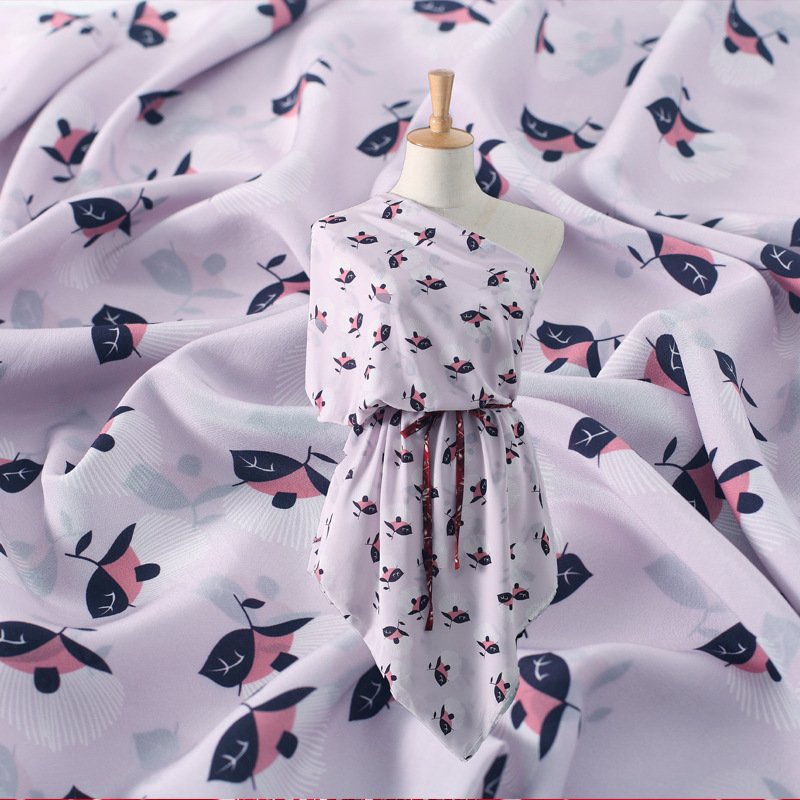
Filaments are twisted into yarns and woven into fabrics such as:
Silk charmeuse
Silk satin
Silk twill
Silk habotai
Silk chiffon
3. Mulberry Silk Grades: What Wholesale Buyers Should Know
Silk grade directly impacts durability, feel, and defect rate.
Common Grading System
3A–4A: Entry-level quality
5A: High quality, suitable for most retail products
6A: Premium grade, longest fibers, minimal impurities
Why 6A Mulberry Silk Is Preferred
For products like silk pillowcases, eye masks, garments, and hair accessories, 6A silk provides:
Better tensile strength
Reduced pilling and breakage
Smoother surface after repeated washing
Higher customer satisfaction and repeat purchases
Professional buyers targeting mid-to-high-end markets typically specify 6A mulberry silk.
4. Mulberry Silk vs Other Silk Types
| Silk Type | Fiber Length | Texture | Consistency | Wholesale Suitability |
|---|---|---|---|---|
| Mulberry Silk | Very long | Ultra-smooth | High | ★★★★★ |
| Tussah Silk | Short | Coarse | Low | ★★ |
| Eri Silk | Medium | Matte | Medium | ★★★ |
| Wild Silk | Irregular | Rough | Low | ★ |
Mulberry silk remains the only silk that supports consistent quality at scale, making it the preferred choice for international B2B trade.
5. Momme Weight Explained (Critical for Product Development)
Momme (mm) measures the weight and density of silk fabric.
Typical Momme Ranges:
16–19 mm – Lightweight garments, scarves
19–22 mm – Silk pillowcases, eye masks
22–25 mm – Premium bedding and robes
25+ mm – Heavy luxury apparel
Choosing the correct momme ensures the right balance between cost, durability, and market positioning.
6. Why Mulberry Silk Is Ideal for Finished Products
6.1 Silk Pillowcases & Eye Masks
Reduces skin and hair friction
Helps retain moisture
Naturally hypoallergenic
Excellent breathability
These benefits drive strong demand in beauty, wellness, and sleep markets.
6.2 Silk Garments
Elegant drape and natural sheen
Temperature-regulating comfort
Skin-friendly for sensitive users
6.3 Silk Hair Accessories
Minimizes breakage and frizz
Maintains hairstyles longer
Superior performance compared to satin or polyester alternative
7. What Determines Mulberry Silk Wholesale Pricing?
Pricing depends on:
Silk grade (5A vs 6A)
Momme weight
Fabric construction
Dyeing method
MOQ and order volume
Finished product complexity
Direct factory sourcing allows better cost control, faster sampling, and customization options.
8. Why More Buyers Choose SINYOO SILK as Their Mulberry Silk Supplier
SINYOO SILK is a professional manufacturer specializing in 100% mulberry silk fabric and finished silk products, serving wholesale and private-label buyers worldwide.
Our Key Advantages for B2B Buyers:
Vertical integration: silk fabric + finished products in one factory
6A mulberry silk sourcing with stable quality
OEM & ODM capability for pillowcases, eye masks, garments, and hair accessories
Custom momme, size, color, logo, and packaging
Export-ready compliance for US, EU, and global markets
By producing both raw fabric and finished goods, SINYOO SILK ensures material consistency across product lines—something trading companies cannot guarantee.
👉 What we offer:
Wholesale mulberry silk fabric (custom momme & weave)
Private-label silk pillowcases & eye masks
OEM silk garments and hair accessories
Low-risk sampling and fast production timelines
👉 Ideal for:
Brands launching silk product lines
Retailers expanding into premium sleep & beauty categories
Importers seeking stable, factory-direct supply
Contact SINYOO SILK today to request samples, pricing, or a custom quotation—and build your silk collection with confidence.
Share: