The Complete Guide to Private Label Silk Products Manufacturing
Introduction
Launching a premium silk brand requires more than sourcing beautiful fabric. It demands a manufacturing partner who understands luxury positioning, export compliance, scalability, and brand consistency.
For Western brands in the US, Europe, and Australia, private label silk manufacturing is not simply about production — it is about building a long-term supply chain foundation.
This guide explains how private label silk manufacturing works, what OEM really means in the silk industry, how MOQ and pricing are structured, and how to choose the right manufacturing partner for sustainable growth.
Table of Contents
1. What Is Private Label Silk Manufacturing?
Private label silk manufacturing refers to producing silk products under your brand name while a factory handles:
Fabric sourcing
Pattern development
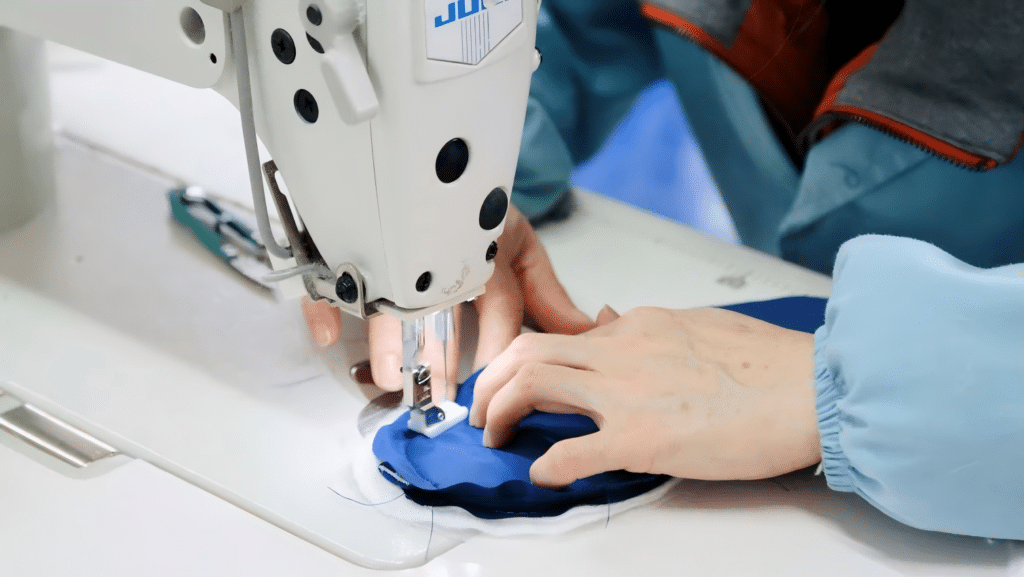
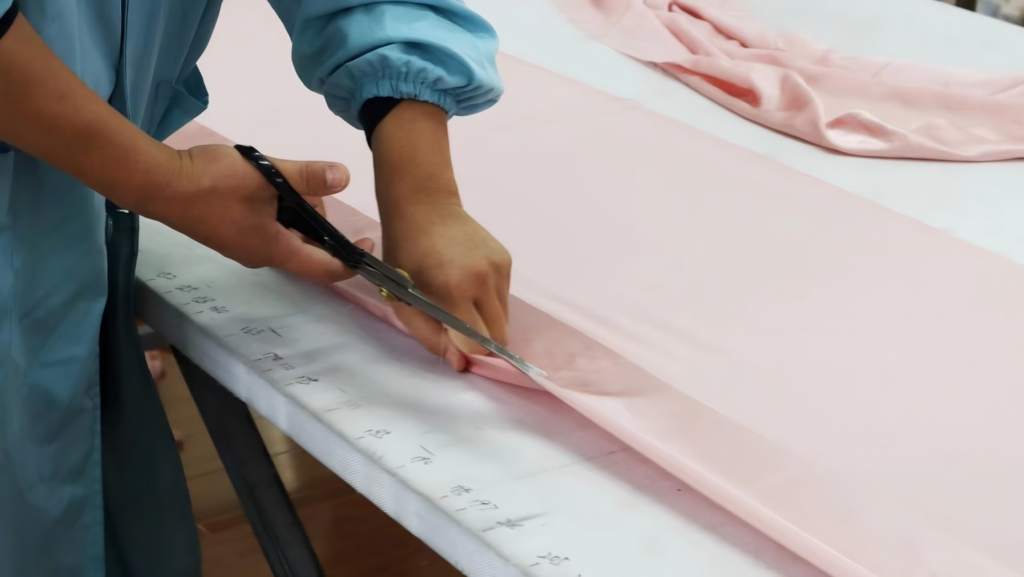
Cutting and sewing
Dyeing and finishing
Quality control
Packaging customization
Export compliance
Unlike simple wholesale purchasing, private label manufacturing allows full brand control over:
Material grade (e.g., 6A mulberry silk)
Momme weight
Color development
Product dimensions
Logo placement
Packaging design
For premium brands, this control is essential to differentiate in competitive Western markets.
2. OEM vs ODM in Silk Manufacturing
Understanding the difference between OEM and ODM helps brands define expectations clearly.
OEM (Original Equipment Manufacturer)
Brand provides design and specifications
Manufacturer produces according to instructions
Full customization possible
Higher brand uniqueness
Best for:
Established brands
Luxury positioning
Unique product architecture
ODM (Original Design Manufacturer)
Manufacturer offers existing product designs
Brand customizes logo and packaging
Faster launch timeline
Lower development cost
Best for:
Startups testing the market
Limited budget product launches
Premium silk brands typically prefer OEM to maintain differentiation and pricing power while most of the new starters will choose ODM to lower the MOQ and test the market。
3. Silk Products Suitable for Private Label Manufacturing
Private label silk production covers a wide range of high-end categories:
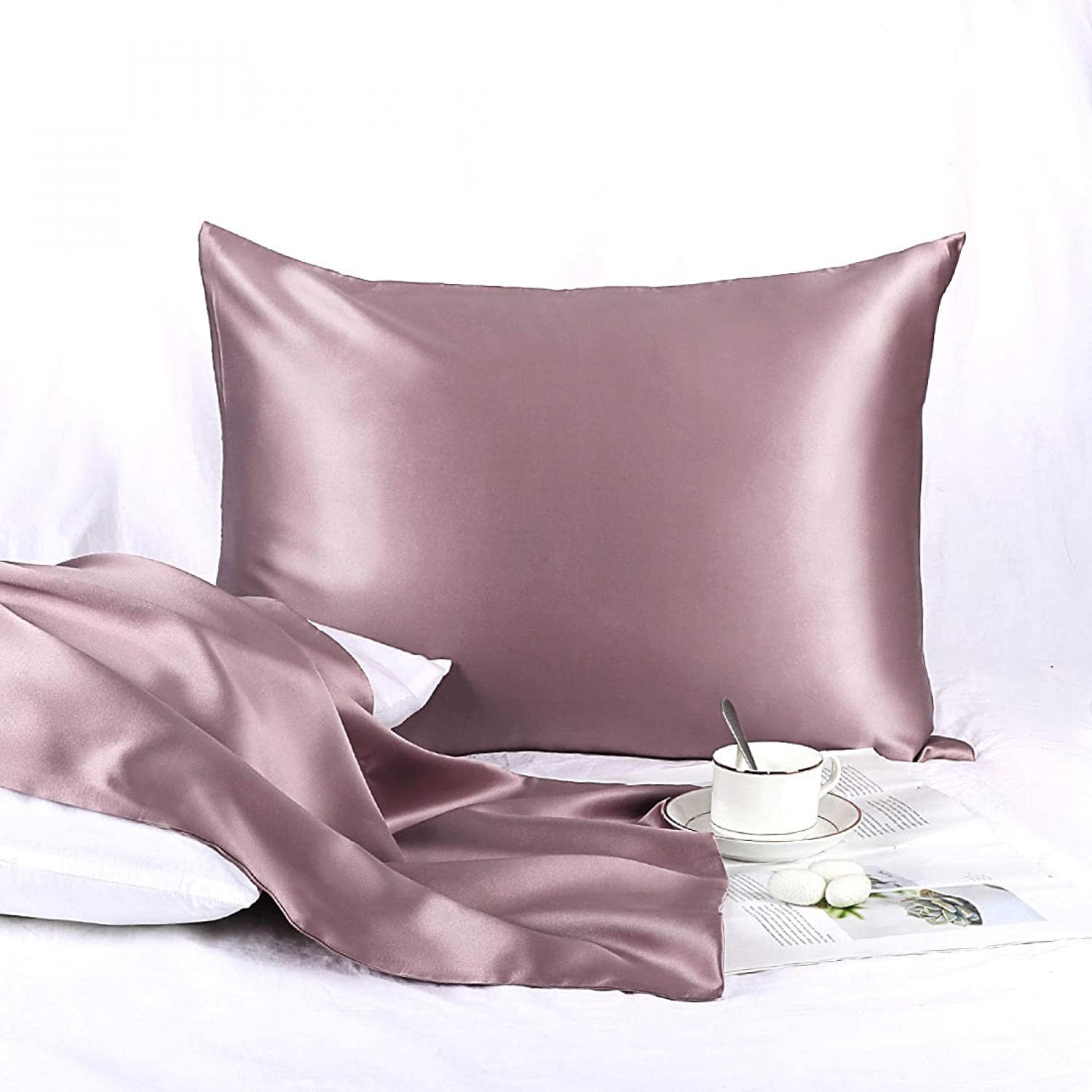
- 16–25 momme charmeuse
- Zipper or envelope style
- Custom logo or brand label
- Premium gift packaging
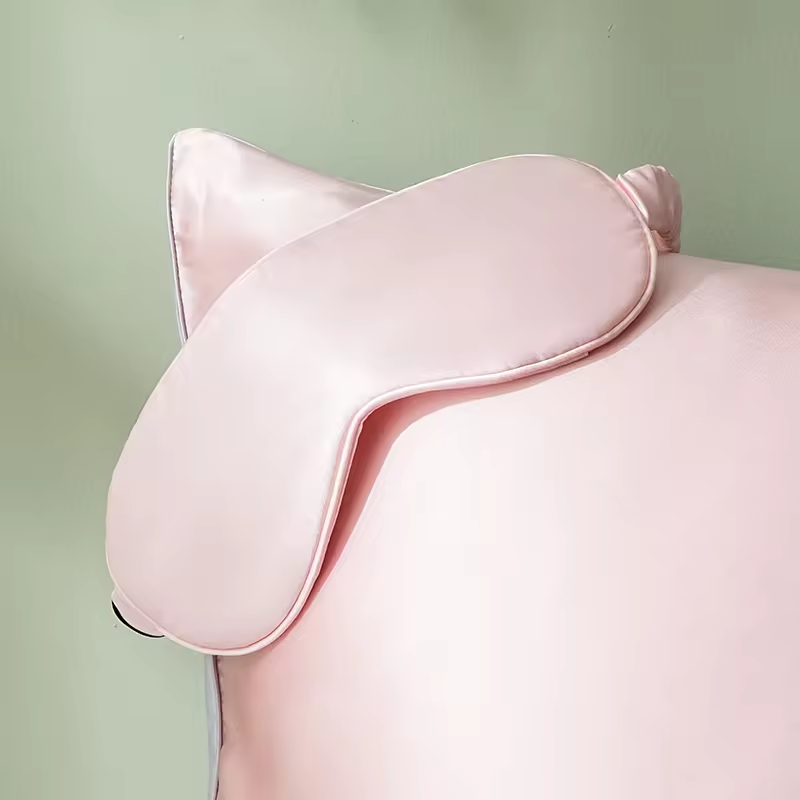
- Adult / Kind Eyemask
- Regular/ Large/3D Mask
- Travel Eyemask Set
- Weighted Silk Eymask
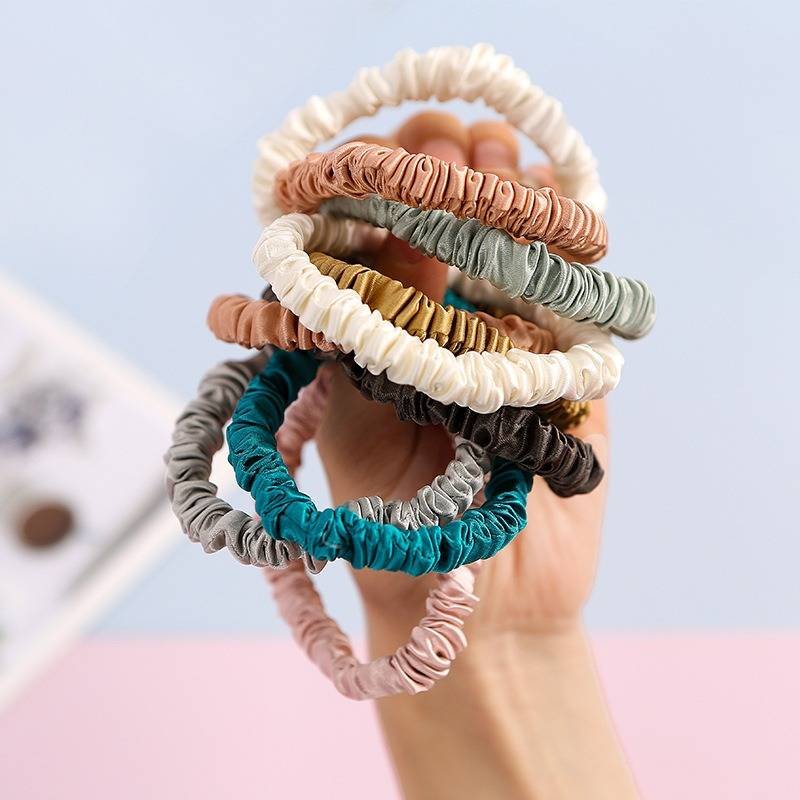
- Silk scrunchies
- Hair Bonnet
- Headband
- Hair Ties
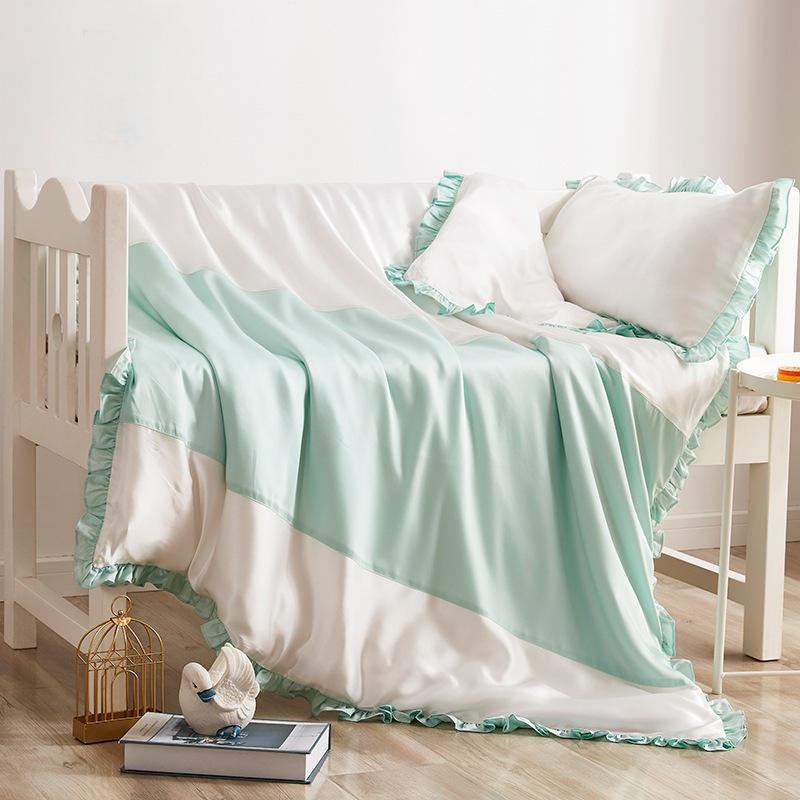
- Silk Duvet / Covers
- Flat and fitted sheets
- Silk Pillow Shams
- Silk Comforter
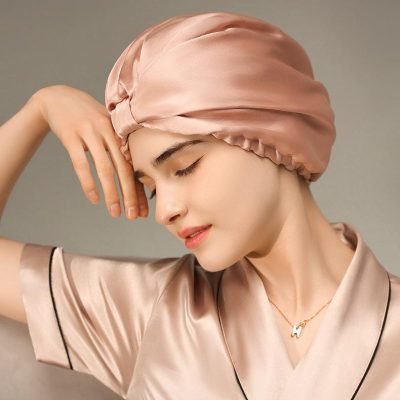
- Silk Sleepwear
- Silk Underwear
- Silk Shirt
- Silk Dress
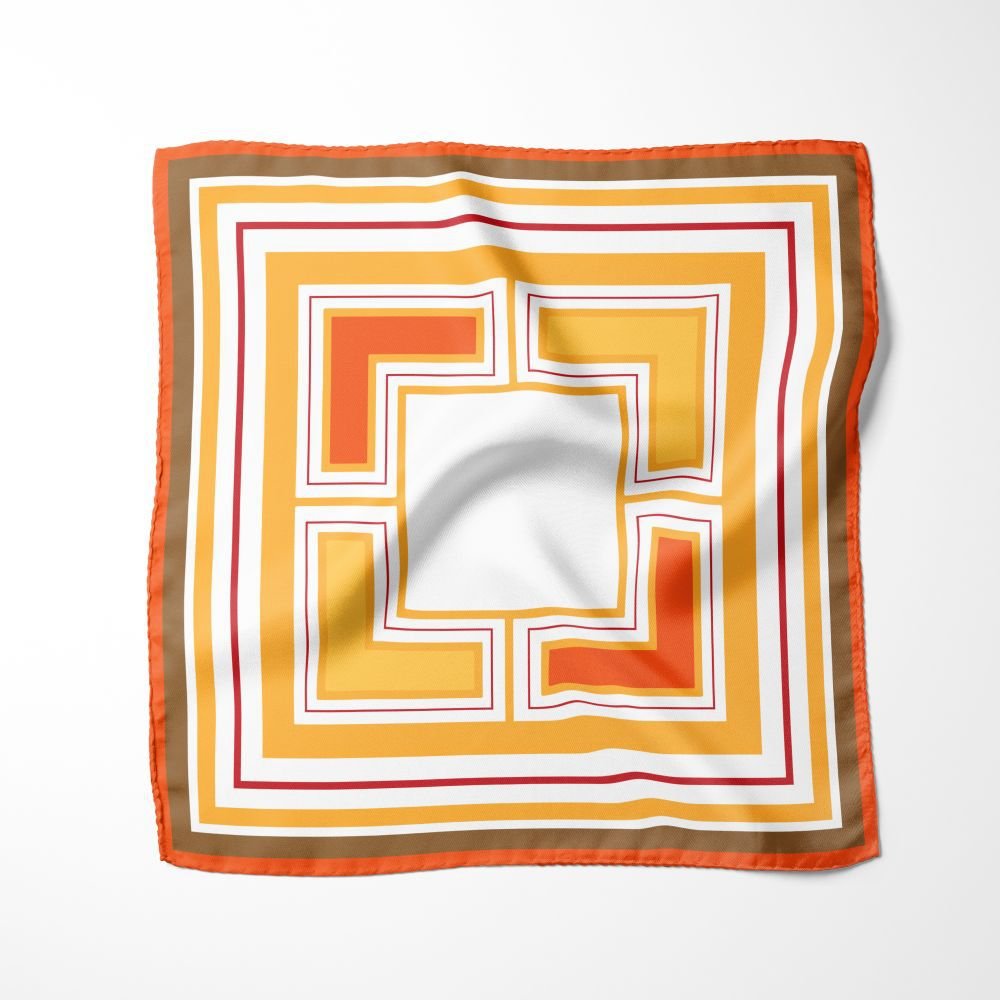
- Square Scarf
- Silk Twilly
- Scarves Gift Set
- Silk Ties
4. The Private Label Silk Manufacturing Process (Step by Step)
A structured production workflow reduces risk and ensures quality.
Step 1: Product Development & Fabric Selection
Brands define:
Silk grade (6A mulberry silk recommended for luxury)
Momme weight
Weave type (charmeuse, crepe, twill)
Color palette
Target retail positioning
Fabric swatches are usually provided before sampling begins.
Step 2: Sampling Phase
Sampling typically includes:
First prototype
Size confirmation
Color adjustment
Packaging mockup
Final pre-production sample
Professional manufacturers document each adjustment carefully to avoid misunderstandings in bulk production.
Sampling time: usually 7–15 days depending on complexity.
Step 3: MOQ Confirmation
Minimum Order Quantity depends on:
Fabric type
Dye customization
Product complexity
Packaging customization
Typical MOQ ranges:
Pillowcases: 100–200 pieces per color
Scrunchies: 100–300 pieces
Bedding sets: 50–100 sets
Eye masks: 200 pieces
Structured MOQ strategies allow brands to scale gradually.
Step 4: Bulk Production
Bulk production includes:
Fabric weaving
Dyeing
Cutting and sewing
Label attachment
Quality inspection
Ironing and finishing
Production timeline usually ranges from 25–35 days depending on order size.
Step 5: Quality Control & Inspection
Premium silk production requires strict inspection standards.
Quality checks include:
Momme weight verification
Shrinkage testing
Colorfastness testing
Seam strength testing
Visual defect inspection
Many Western brands request AQL-based inspection reports before shipment.
Step 6: Custom Packaging & Export
Luxury positioning depends heavily on packaging.
Customization options include:
Magnetic gift boxes
Printed rigid boxes
Sustainable kraft packaging
Custom tissue wrapping
Branded care instruction cards
Export-ready production must comply with:
US regulations (labeling requirements)
EU chemical safety standards
Australian textile labeling rules
Proper documentation ensures smooth customs clearance.
5. Cost Structure of Private Label Silk Manufacturing
Understanding cost breakdown helps brands plan margins. Primary cost components:
Raw silk material (major cost driver)
Dyeing and finishing
Labor and sewing
Packaging customization
Quality control
Logistics and export documentation
Higher momme weights significantly increase raw material cost.
For example:
19 mm silk uses less material
25 mm silk increases durability but raises cost proportionally
Premium brands should calculate pricing backward from target retail price.
6. How to Evaluate a Private Label Silk Manufacturer
Before committing, brands should assess:
Experience exporting to Western markets
Ability to produce 6A mulberry silk
In-house quality control systems
Sampling turnaround time
Communication responsiveness
Custom packaging capability
Scalable production capacity
Ask for:
Successful branding solution case
Production timeline breakdown
Real factory photos
Previous export experience
A reliable silk manufacturer behaves as a strategic partner, not just a supplier.
7. Scaling Your Silk Brand: From Startup to Growth
Private label silk manufacturing supports long-term scalability.
Early Stage: Smaller MOQ/ Limited color range / Focused hero product
Growth Stage: Expanded SKUs / Bundled gift sets / Seasonal color launches/ Increased momme options
Established Stage: Full product lines / International distribution / Advanced packaging differentiation
Choosing a capable manufacturer early makes scaling significantly smoother. And Sinyoo Silk can support you as every stage with best solutions.
8. FAQ for Private Label Silk Manufacturing
What is the minimum order quantity for private label silk products?
MOQ varies by product type, but typically ranges from 300–1000 units per SKU.
How long does silk production take?
Production usually takes 20–30 days after sample approval.
Can packaging be customized?
Yes. Premium silk manufacturers offer fully customized packaging solutions.
Is 6A mulberry silk necessary for luxury brands?
For high-end positioning in Western markets, 6A mulberry silk is strongly recommended.
Ready to Develop Your Private Label Silk Collection?
If you are launching or scaling a premium silk brand, partnering with a vertically integrated silk manufacturer ensures:
Material consistency
Reliable MOQ strategy
Controlled quality systems
Export-ready compliance
Scalable production capacity
Start with clarity. Build with confidence. Grow with consistency.
Contact SINYOO SILK today to start your luxury silk brand.
Share: