How to Choose a Custom Silk Manufacturer
Introduction
Choosing the right custom silk manufacturer is an important decision for fashion brands, sleepwear labels, beauty businesses, and retailers developing their own silk product collections.
A suitable manufacturing partner should do more than supply fabric or sew finished products. It should help translate your product concept into clear specifications, develop samples, confirm materials, manage production quality, and coordinate branding and packaging.
For brands planning to launch or expand a 100% silk collection, this guide explains what to evaluate before choosing a manufacturing partner.
Table of Contents
1. Confirm the Manufacturer's Silk Product Experience
Not every textile supplier specializes in the same products. Some focus on silk fabric, while others manufacture silk garments, accessories, sleepwear, or home textiles.
Before requesting a quotation, check whether the manufacturer can support your intended product category.
Examples include:
Silk Sleepwear: Pajama sets, robes, slip dresses, nightgowns, and camisole sets
Silk Underwear: Briefs, boyshorts, thongs, and high-waisted briefs
Silk Hair Accessories: Bonnets, scrunchies, and heatless curlers
Silk Fashion Accessories: Scarves, twillies, ribbons, and ties
Silk Home Textiles: Pillowcases and other silk bedding products
Silk Gift Sets: Coordinated silk products with custom packaging
Ask for relevant product samples or examples of manufacturing capabilities. Confirm that the supplier can handle your specific construction and finishing requirements.
2. Verify Silk Fabric Composition and Specifications
The word “silk” alone does not provide enough information to determine whether a material meets your requirements.
Before ordering, confirm:
Fiber composition
Silk fabric type and construction
Momme or other relevant fabric weight specification
Fabric width, where applicable
Color and printing requirements
Finishing and care requirements
If your product requires 100% silk, state this clearly in the product specification and purchase documentation.
Common fabric options include Silk Satin, Silk Charmeuse, Silk Chiffon, Silk Crepe de Chine, Silk Twill, and other silk constructions. Each has different characteristics, so the final choice should match the product’s design and intended use.
3. Evaluate Customization Capabilities
A custom silk manufacturer should be able to explain which elements can be customized and which depend on existing materials or production processes.
| Customization Area | What to Confirm |
|---|---|
| Fabric | Composition, construction, and weight |
| Color | Available colors and custom dyeing options |
| Printing | Supported artwork and printing methods |
| Size | Standard sizes or custom measurements |
| Construction | Seams, closures, finishing, and product details |
| Branding | Logo, labels, and hangtags |
| Packaging | Pouches, boxes, and retail packaging |
Ask the manufacturer to identify any technical limitations before sample development begins.
4. Understand OEM, ODM, and Private Label
Different brands need different levels of manufacturing support.
OEM manufacturing is suitable when you already have a design, technical specifications, or a reference sample.
ODM development is useful when you have a product concept and need support developing the design and specifications.
Private label manufacturing allows you to develop products with your own brand identity, including labels, logos, and packaging.
These services can overlap. Confirm exactly what the manufacturer will provide, what you need to supply, and which development costs are included in the quotation.
5. Ask About Sampling Before Bulk Production
Sampling allows both parties to confirm the product before committing to a larger order.
Before starting, clarify:
Sample development cost
Sample materials and construction
Sample lead time
Number of revisions included, if applicable
Shipping arrangements
Whether the sample represents the final bulk specification
For complex silk products, a first sample may require revisions. Establishing a clear feedback process helps prevent misunderstandings and unnecessary delays.
6. Compare Quotations Fairly
A lower unit price does not necessarily mean a better manufacturing offer.
When comparing quotations, confirm that each supplier is quoting the same specifications.
Check fabric composition, Momme, product dimensions, construction, colors, printing, branding, packaging, order quantity, and shipping terms.
Also ask whether sampling, pattern development, custom dyeing, printing setup, and other one-time charges are included or quoted separately.
7. Review Quality Control and Production Communication
Before placing an order, ask how the manufacturer manages product consistency.
Useful questions include:
How are incoming materials checked?
How are measurements and construction verified?
How are color differences handled?
Can the approved sample be retained as a reference?
What happens if bulk production does not match the agreed specifications?
Who communicates production updates and resolves technical questions?
Agree on measurable quality requirements before bulk production rather than relying only on general descriptions such as “premium quality.”
8. Confirm MOQ, Lead Time, and Order Terms
Minimum order quantities and production schedules vary according to the product and customization requirements.
Custom dyeing, printed fabrics, special construction, multiple colors, and customized packaging may affect the minimum order quantity, cost, and timeline.
Ask for written confirmation of:
MOQ per style or color
Sample and production lead times
Payment terms
Packaging and shipping arrangements
Inspection requirements
Approved specifications and revision records
Do not assume that the MOQ or lead time for one silk product applies to every product category.
9. Common Mistakes When Choosing a Silk Manufacturer
Avoid these common sourcing mistakes:
Choosing a supplier based on price alone
Assuming every satin fabric is 100% silk
Comparing quotations with different specifications
Approving a sample without checking measurements and construction
Leaving colors, labels, or packaging undefined
Starting bulk production before the final specifications are approved
Relying on verbal promises without written confirmation
Clear documentation protects both the brand and the manufacturer.
10. Why Work With Sinyoo Silk?
Sinyoo Silk supports custom 100% silk product development for brands, retailers, wholesalers, and private label businesses.
Depending on the product, customization can include silk fabric selection, Momme, colors, printing, sizes, product construction, branding, and packaging.
The goal is to help brands turn product concepts into defined specifications, approved samples, and coordinated silk collections.
11. Silk Products Suitable for Private Label Manufacturing
Private label silk production covers a wide range of high-end categories:
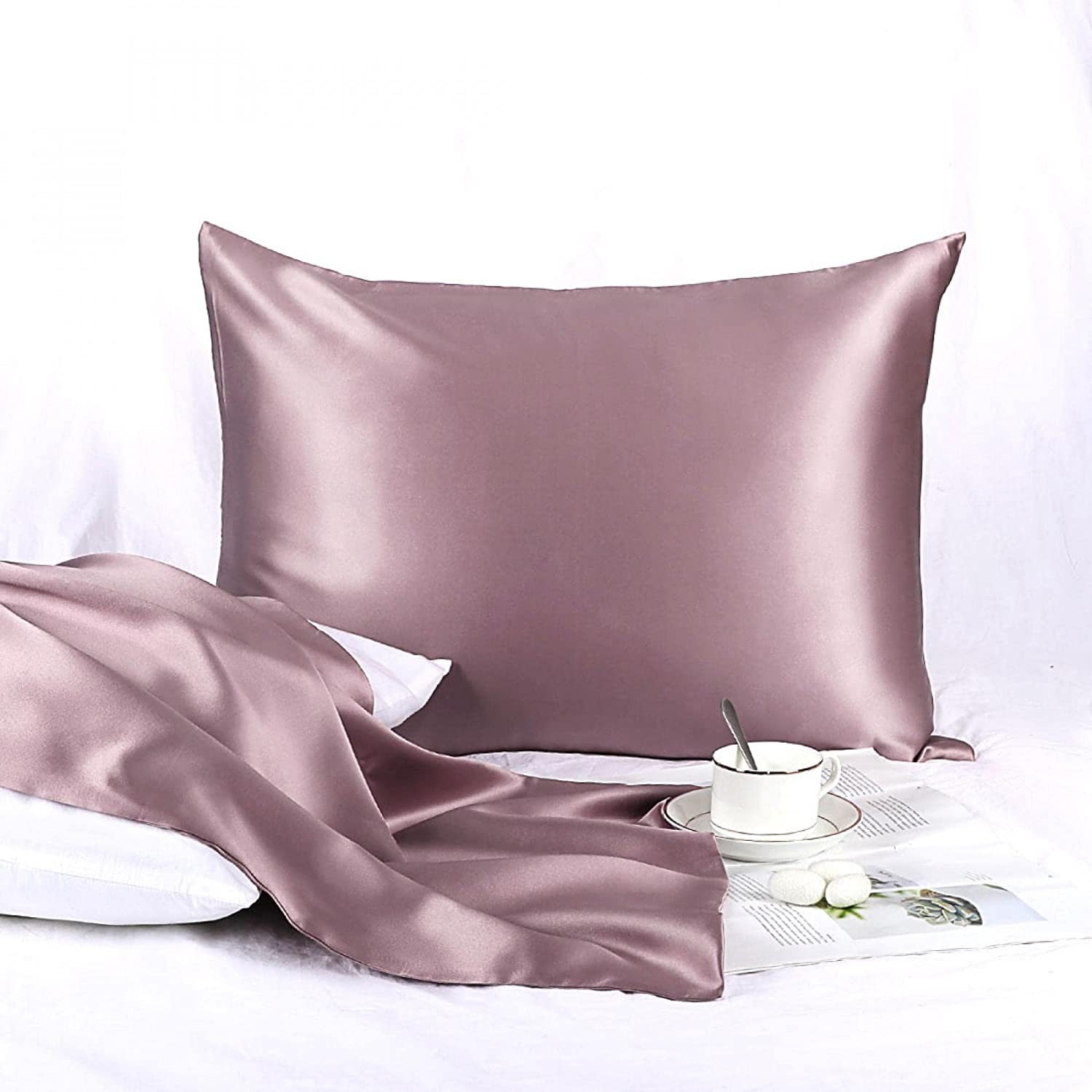
- 16–25 momme charmeuse
- Zipper or envelope style
- Custom logo or brand label
- Premium gift packaging
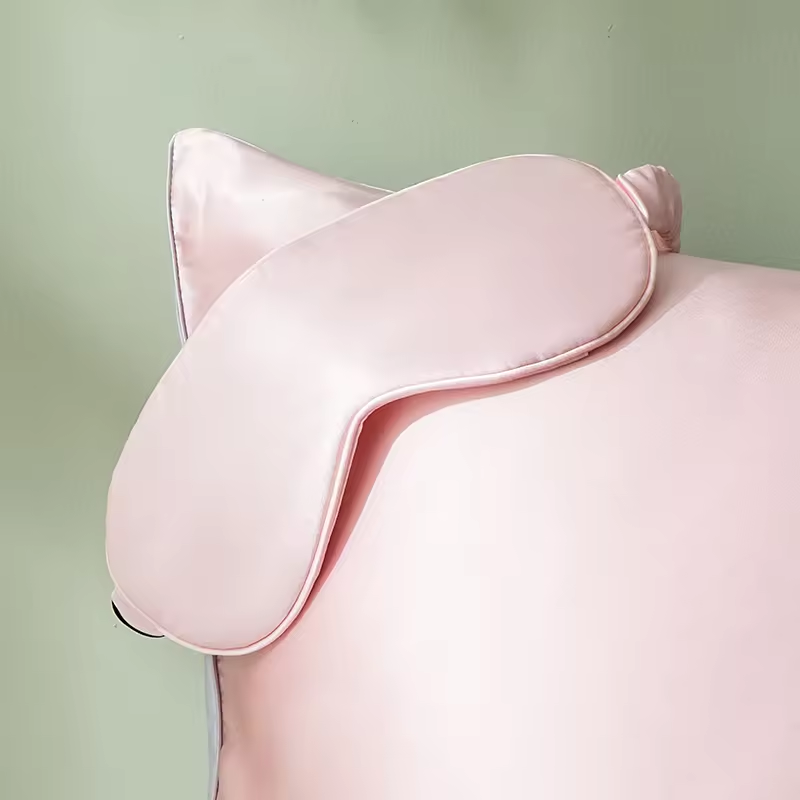
- Adult / Kind Eyemask
- Regular/ Large/3D Mask
- Travel Eyemask Set
- Weighted Silk Eymask
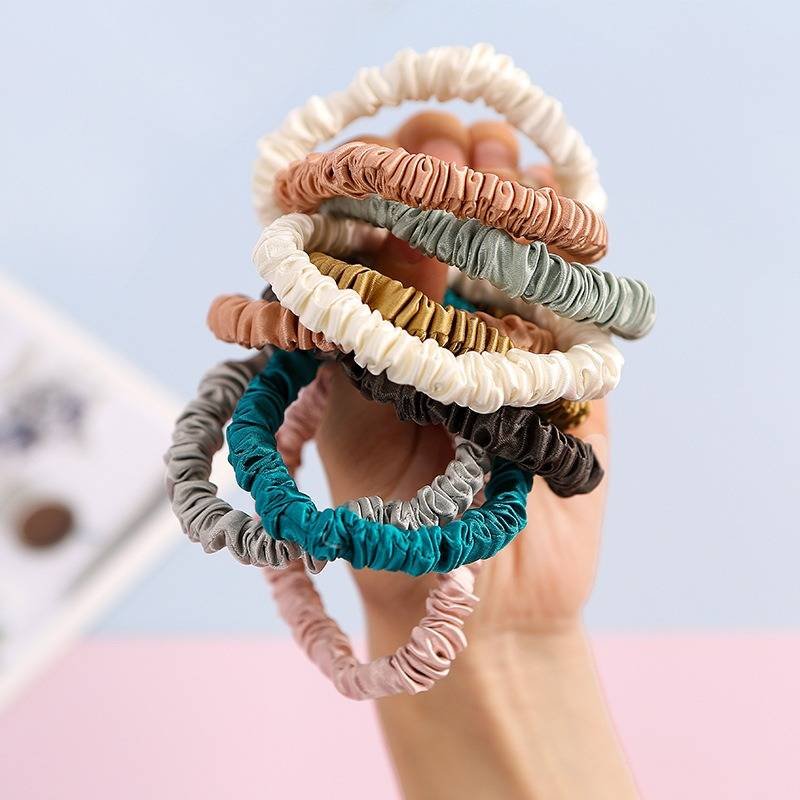
- Silk scrunchies
- Hair Bonnet
- Headband
- Hair Ties
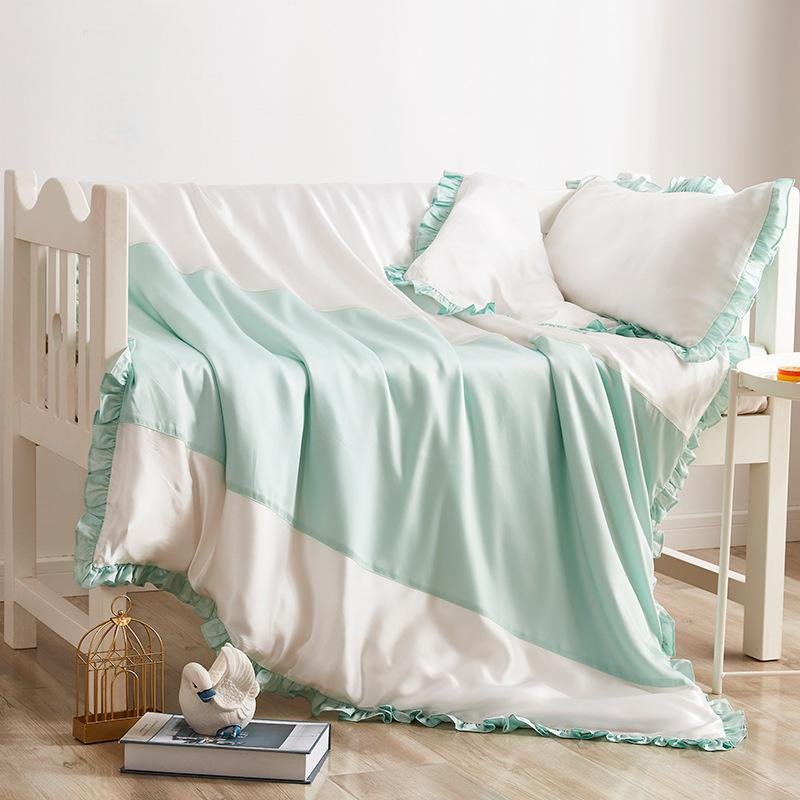
- Silk Duvet / Covers
- Flat and fitted sheets
- Silk Pillow Shams
- Silk Comforter
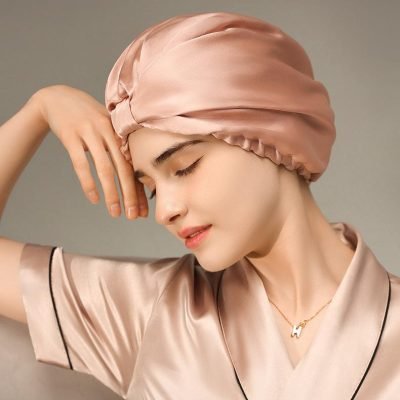
- Silk Sleepwear
- Silk Underwear
- Silk Shirt
- Silk Dress
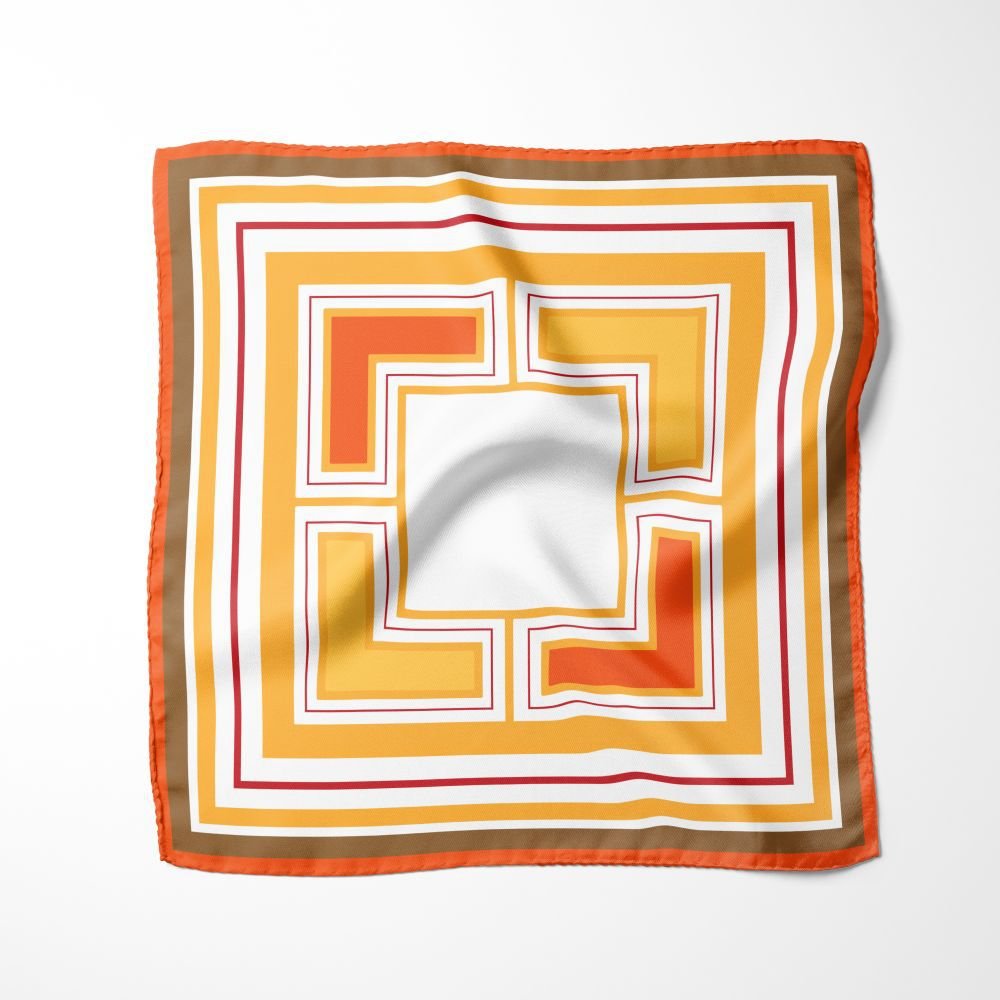
- Square Scarf
- Silk Twilly
- Scarves Gift Set
- Silk Ties
12. The Private Label Silk Manufacturing Process (Step by Step)
A structured production workflow reduces risk and ensures quality.
Step 1: Product Development & Fabric Selection
Brands define:
Silk grade (6A mulberry silk recommended for luxury)
Momme weight
Weave type (charmeuse, crepe, twill)
Color palette
Target retail positioning
Fabric swatches are usually provided before sampling begins.
Step 2: Sampling Phase
Sampling typically includes:
First prototype
Size confirmation
Color adjustment
Packaging mockup
Final pre-production sample
Professional manufacturers document each adjustment carefully to avoid misunderstandings in bulk production.
Sampling time: usually 7–15 days depending on complexity.
Step 3: MOQ Confirmation
Minimum Order Quantity depends on:
Fabric type
Dye customization
Product complexity
Packaging customization
Typical MOQ ranges:
Pillowcases: 100–200 pieces per color
Scrunchies: 100–300 pieces
Bedding sets: 50–100 sets
Eye masks: 200 pieces
Structured MOQ strategies allow brands to scale gradually.
Step 4: Bulk Production
Bulk production includes:
Fabric weaving
Dyeing
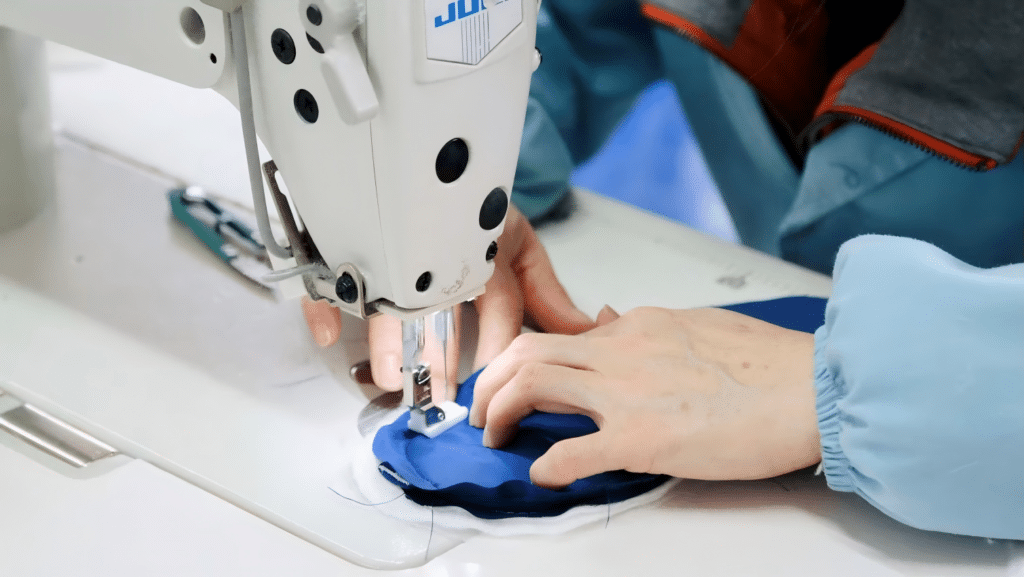
Cutting and sewing
Label attachment
Quality inspection
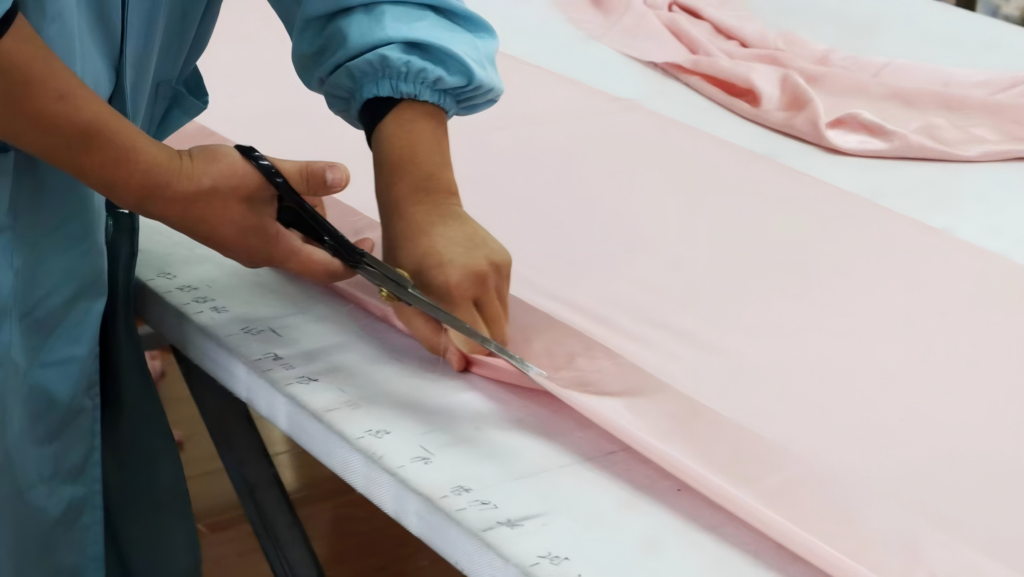
Ironing and finishing
Production timeline usually ranges from 25–35 days depending on order size.
Step 5: Quality Control & Inspection
Premium silk production requires strict inspection standards.
Quality checks include:
Momme weight verification
Shrinkage testing
Colorfastness testing
Seam strength testing
Visual defect inspection
Many Western brands request AQL-based inspection reports before shipment.
Step 6: Custom Packaging & Export
Luxury positioning depends heavily on packaging.
Customization options include:
Magnetic gift boxes
Printed rigid boxes
Sustainable kraft packaging
Custom tissue wrapping
Branded care instruction cards
Export-ready production must comply with:
US regulations (labeling requirements)
EU chemical safety standards
Australian textile labeling rules
Proper documentation ensures smooth customs clearance.
13. Cost Structure of Private Label Silk Manufacturing
Understanding cost breakdown helps brands plan margins. Primary cost components:
Raw silk material (major cost driver)
Dyeing and finishing
Labor and sewing
Packaging customization
Quality control
Logistics and export documentation
Higher momme weights significantly increase raw material cost.
For example:
19 mm silk uses less material
25 mm silk increases durability but raises cost proportionally
Premium brands should calculate pricing backward from target retail price.
14. How to Evaluate a Private Label Silk Manufacturer
Before committing, brands should assess:
Experience exporting to Western markets
Ability to produce 6A mulberry silk
In-house quality control systems
Sampling turnaround time
Communication responsiveness
Custom packaging capability
Scalable production capacity
Ask for:
Successful branding solution case
Production timeline breakdown
Real factory photos
Previous export experience
A reliable silk manufacturer behaves as a strategic partner, not just a supplier.
15. Scaling Your Silk Brand: From Startup to Growth
Private label silk manufacturing supports long-term scalability.
Early Stage: Smaller MOQ/ Limited color range / Focused hero product
Growth Stage: Expanded SKUs / Bundled gift sets / Seasonal color launches/ Increased momme options
Established Stage: Full product lines / International distribution / Advanced packaging differentiation
Choosing a capable manufacturer early makes scaling significantly smoother. And Sinyoo Silk can support you as every stage with best solutions.
16. FAQ for Private Label Silk Manufacturing
What is the minimum order quantity for private label silk products?
MOQ varies by product type, but typically ranges from 300–1000 units per SKU.
How long does silk production take?
Production usually takes 20–30 days after sample approval.
Can packaging be customized?
Yes. Premium silk manufacturers offer fully customized packaging solutions.
Is 6A mulberry silk necessary for luxury brands?
For high-end positioning in Western markets, 6A mulberry silk is strongly recommended.
Ready to Develop Your Private Label Silk Collection?
If you are launching or scaling a premium silk brand, partnering with a vertically integrated silk manufacturer ensures:
Material consistency
Reliable MOQ strategy
Controlled quality systems
Export-ready compliance
Scalable production capacity
Start with clarity. Build with confidence. Grow with consistency.
Contact SINYOO SILK today to start your luxury silk brand.
Share: